
From Retired Tech to Recovered Materials: Inside ThinkTLS’s Material Recovery Process
What Material Recovery Really Means in ITAD
Material recovery is one of the most overlooked parts of IT asset disposition. While data destruction and resale often get the spotlight, material recovery is where measurable environmental impact actually happens.
When done correctly, it puts valuable materials back into manufacturing and prevents usable resources from being lost to landfills.
At ThinkTLS, material recovery is a deliberate, documented step in our ITAD process.
One Customer, One Year: Material Recovery in Action
In a single year, one ThinkTLS customer diverted significant amount of e-waste through material recovery alone.
Material recovered for this customer:
Total Weight Recycled: 935,648.16 lbs.
This included recoverable metals and components extracted from retired servers, networking equipment, and endpoints that were no longer suitable for reuse.
Without proper breakdown and separation, this material would have been bulk shredded or discarded with minimal recovery value.
Inside the Breakdown Table
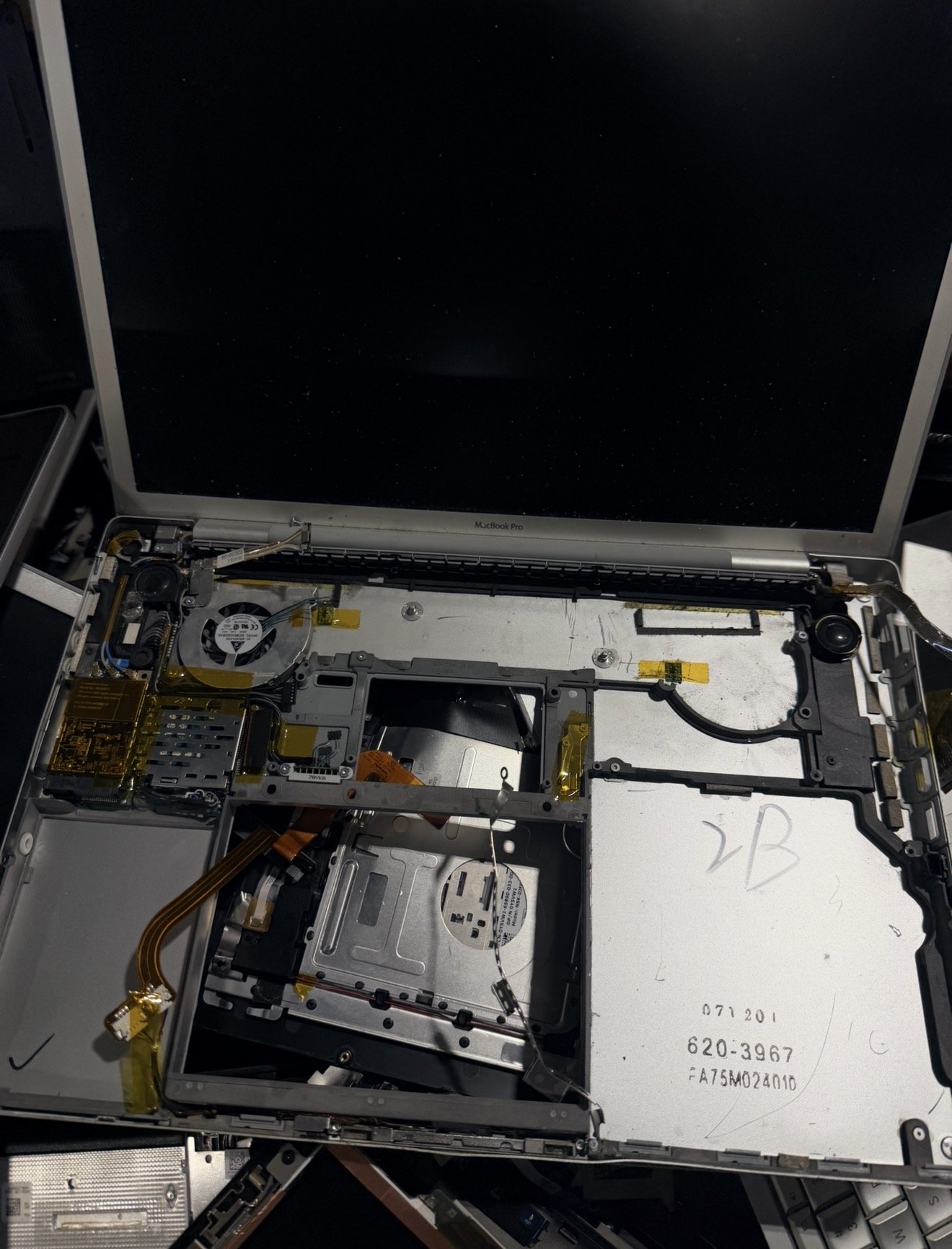
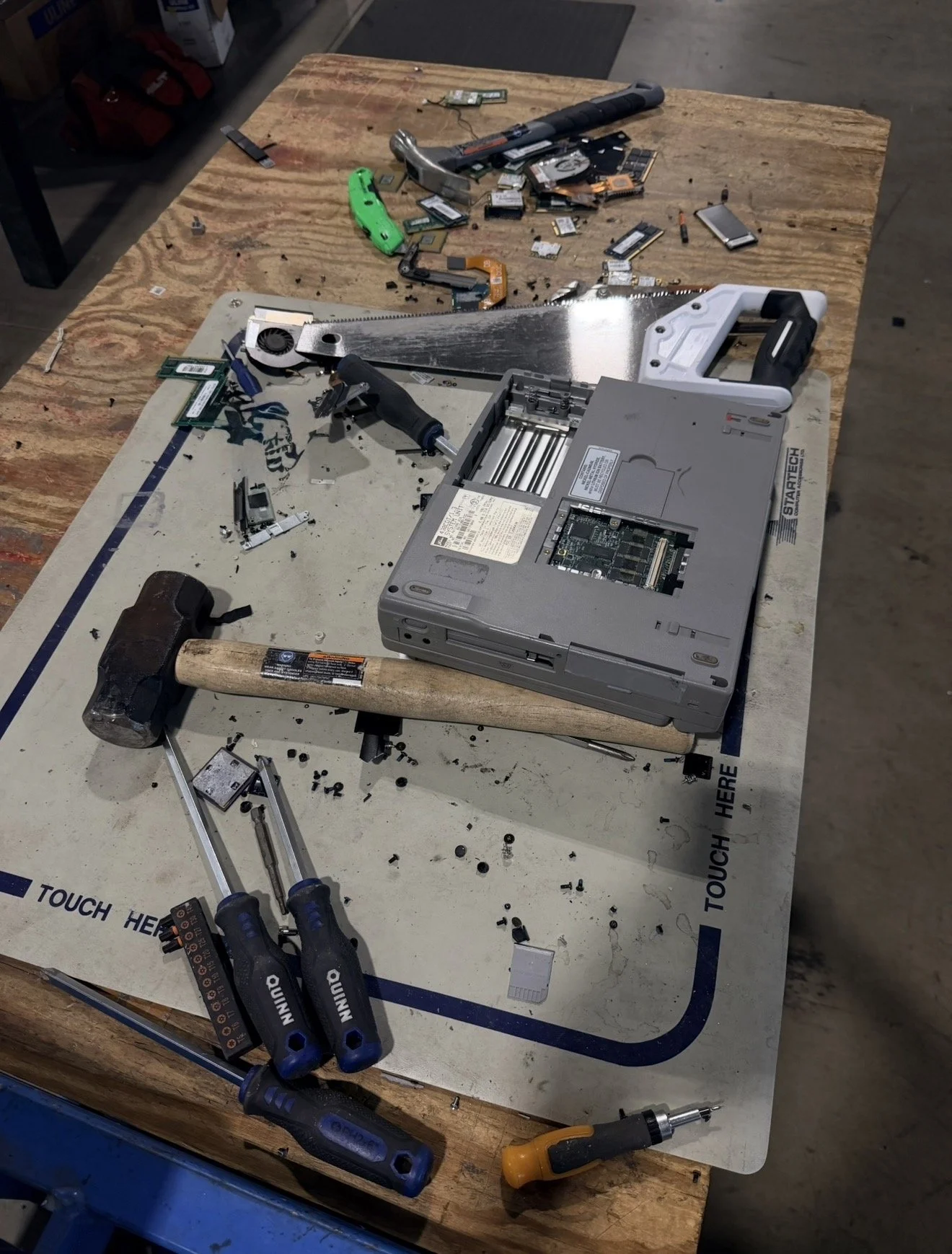
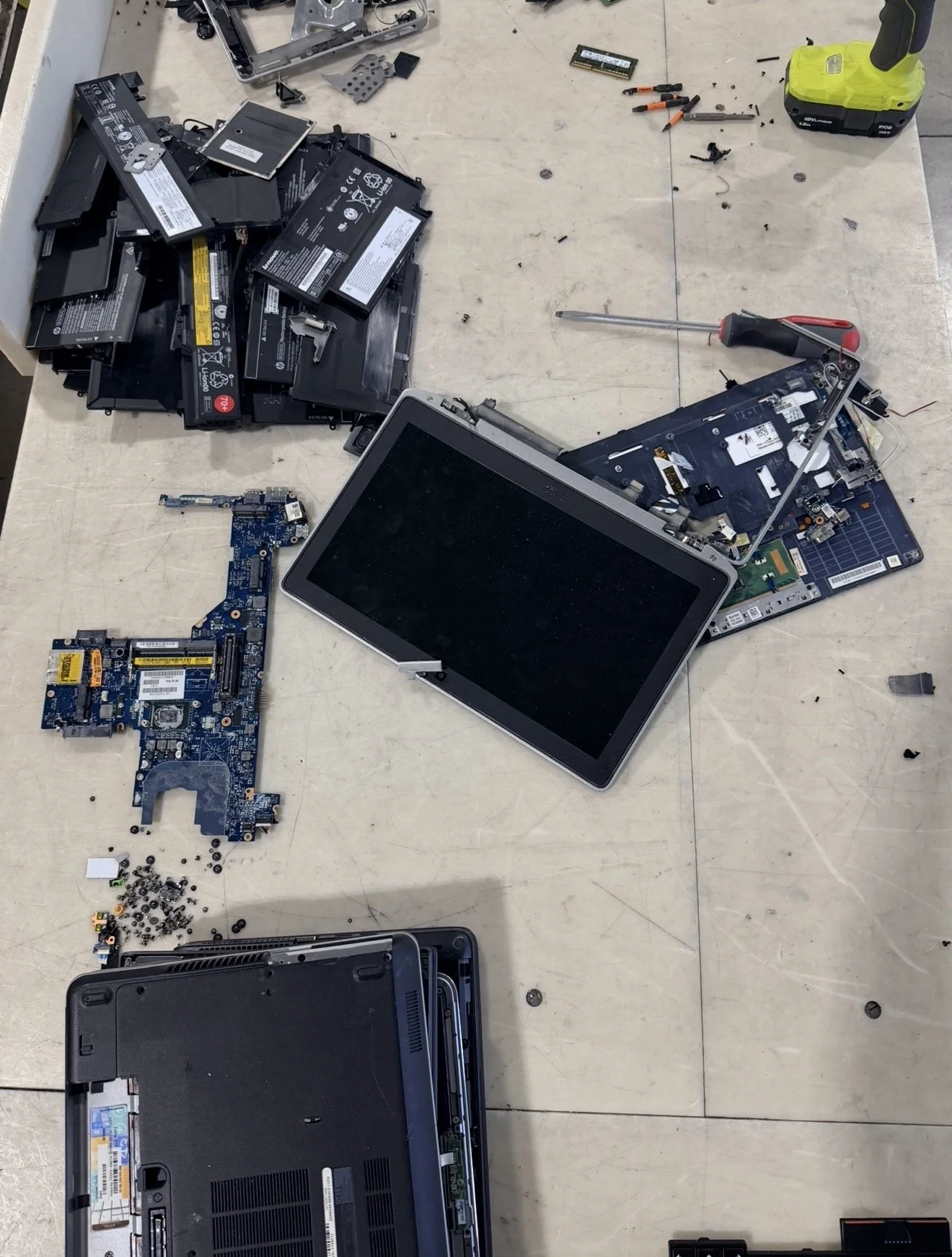
At our breakdown tables, trained specialists manually disassemble retired equipment to separate valuable materials such as metals, boards, and components. This approach allows for higher recovery yields and better downstream recycling outcomes. Pictured below is manual material separation performed by ThinkTLS breakdown specialists.
Scaling the Impact Across 2025
What we see with individual customers scales across our entire ITAD program.
In 2025, ThinkTLS recovered and diverted 3 million pounds of e-waste across all client projects.
This represents thousands of pounds of material kept out of landfill and reintroduced into responsible recycling streams.
Why Material Recovery is Often Missed
Many ITAD providers prioritize speed over outcomes or are not certified under the R2v3 certification to perform material recovery. Because of this, we have on-going issues with extensive amounts of e-waste filling the landfills more and more each year.
True material recovery requires:
Skilled labor
Time and process discipline
Clear separation workflows
Verified downstream recycling partners
It is not the easiest path, but it delivers better environmental and reporting outcomes.
How ThinkTLS Approaches Material Recovery
Material recovery at ThinkTLS is integrated into a larger, secure ITAD process that prioritizes data protection first, then reuse, then recovery.
Recycling is included at no extra cost, allowing clients to maximize ROI while ensuring retired equipment is handled responsibly and transparently.
This approach supports both sustainability goals and compliance requirements without cutting corners.
Interested in learning how this fits into your business?