
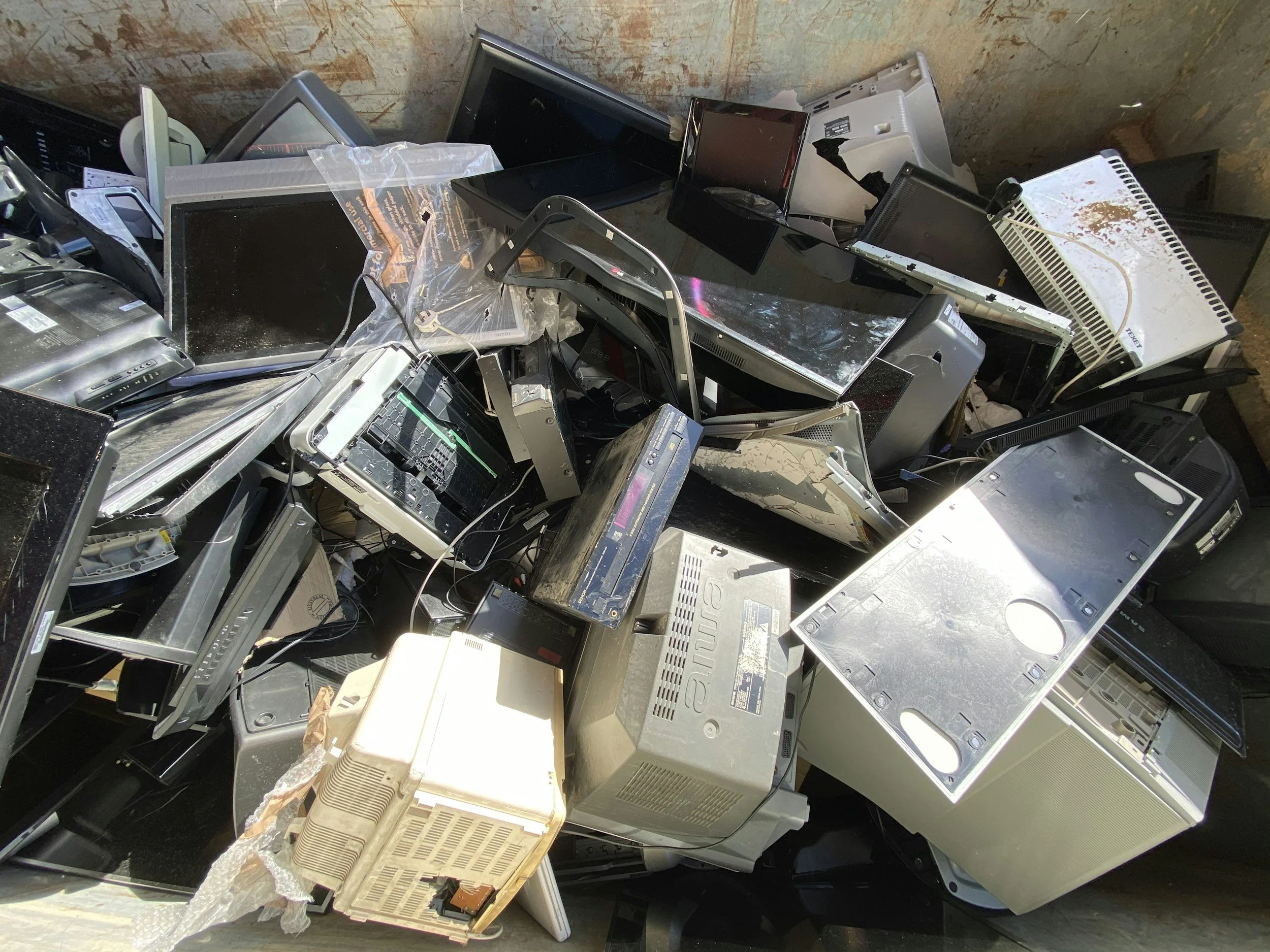
E-Waste
ThinkTLS provides secure, end-to-end technology lifecycle solutions that enable organizations to manage, recycle, and repurpose IT assets with confidence. Built on strict compliance standards and precise operational controls, we safeguard sensitive data throughout every stage of the process. From secure collection to final disposition, every device is handled with transparency, care, and accountability.

Our Commitment to a Smarter E-Waste Future
Our team partners with clients to uncover advanced reuse pathways for every material stream, even those that are difficult to recycle or considered low value-to drive higher recovery outcomes and support natural resource conservation.
ITAD vs. E-Waste Recycling
IT Asset Disposition (ITAD):
IT Asset Disposition (ITAD) is a strategic approach to handling retired technology that focuses on data security, value recovery, and responsible reuse. Instead of immediately recycling equipment, ITAD prioritizes refurbishment and resale wherever possible.
Key Benefits of ITAD:
Maximizes value from used equipment
Ensures secure data destruction
Extends the lifecycle of technology
Reduces unnecessary waste
E-Waste Recycling:
E-Waste recycling focuses on the safe disposal and processing of end-of-life electronics. Equipment is typically dismantled or shredded to recover raw materials like metals and plastics.
Key Characteristics of E-Waste Recycling:
Focus on material recovery
Devices are often destroyed
Driven by environmental compliance
Why It Matters:
Choosing the right approach can significantly impact both your data security and financial return. While e-waste recycling ensures responsible disposal, ITAD provides a more complete solution by helping organizations recover value and extend the life of their technology.
Without a strategic ITAD process, companies risk unnecessary data exposure, missed resale opportunities, and accelerated asset depreciation. A structured approach ensures equipment is properly evaluated, securely handled, and directed toward its highest-value outcome.

Tackling the Growing E-Waste Challenge
As technology continues to evolve, businesses are faced with a growing challenge: how to responsibly manage outdated IT equipment. The rise in retired servers, storage devices, and networking hardware has contributed to a surge in electronic waste (e-waste), one of the fastest growing waste streams globally.
Without proper handling, e-waste can create serious environmental risks, data security vulnerabilities, and compliance issues. That’s where a structured, secure approach to IT asset disposition (ITAD) becomes critical.
At ThinkTLS, we provide end-to-end solutions that help organizations reduce e-waste while maximizing value recovery and ensuring data security.

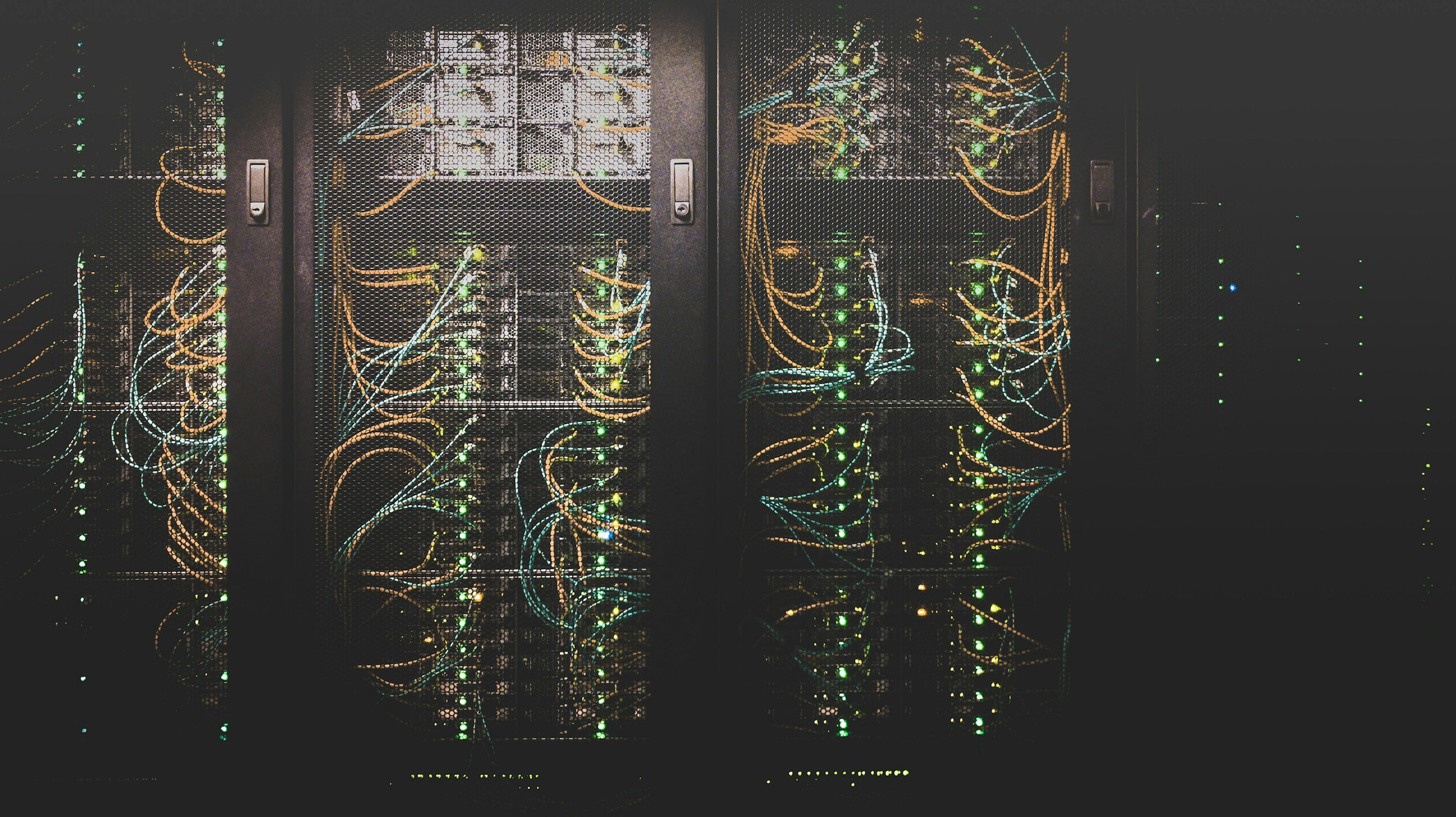
Our Approach to Responsible IT Asset
Data Center Decommissioning:
Efficient, secure removal of IT infrastructure with full asset tracking and documentation.
Secure Data Destruction:
Certified data erasure and physical destruction services eliminate risk and ensure compliance.
IT Asset Disposition (ITAD):
Comprehensive lifecycle management for retired IT assets, including resale, recycling, and reporting.
Electronics Recycling:
Environmentally responsible recycling processes that align with industry and regulatory standards.

What We Accept
We accept a wide range of technology equipment across all industries and environments.
The categories below are examples of common materials we process- but if it’s technology or electronic equipment, we can likely take it.
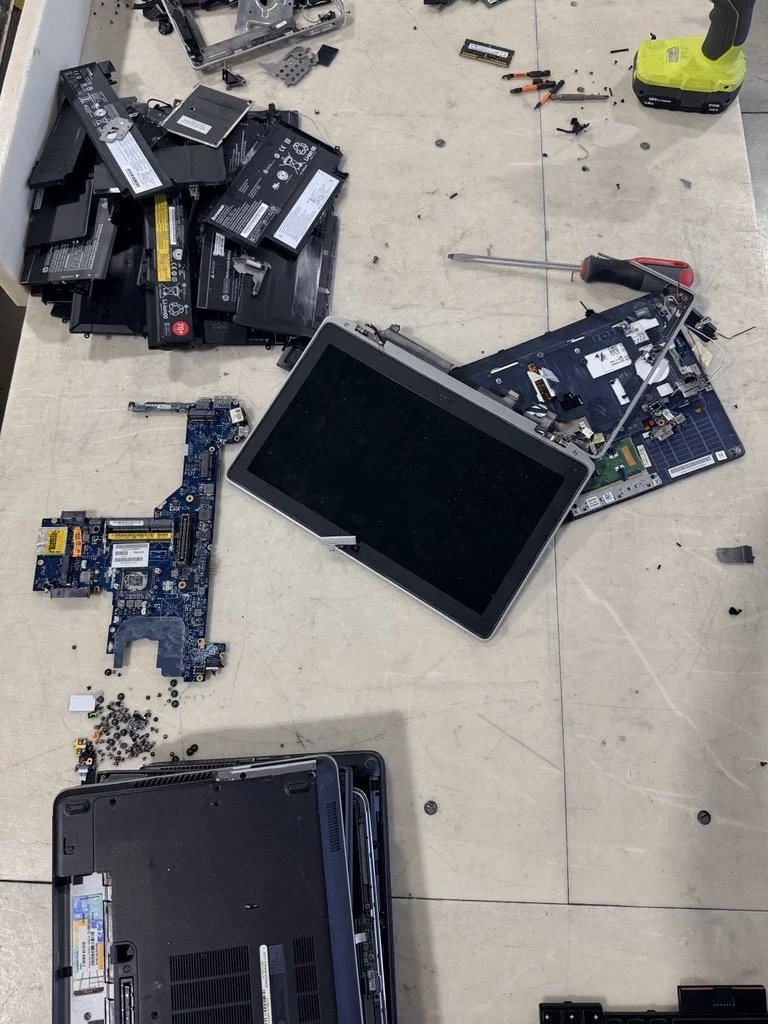
IT & Enterprise Equipment
Includes, but not limited to: Laptops, desktops, servers, storage systems, monitors, and networking hardware, and data center hardware
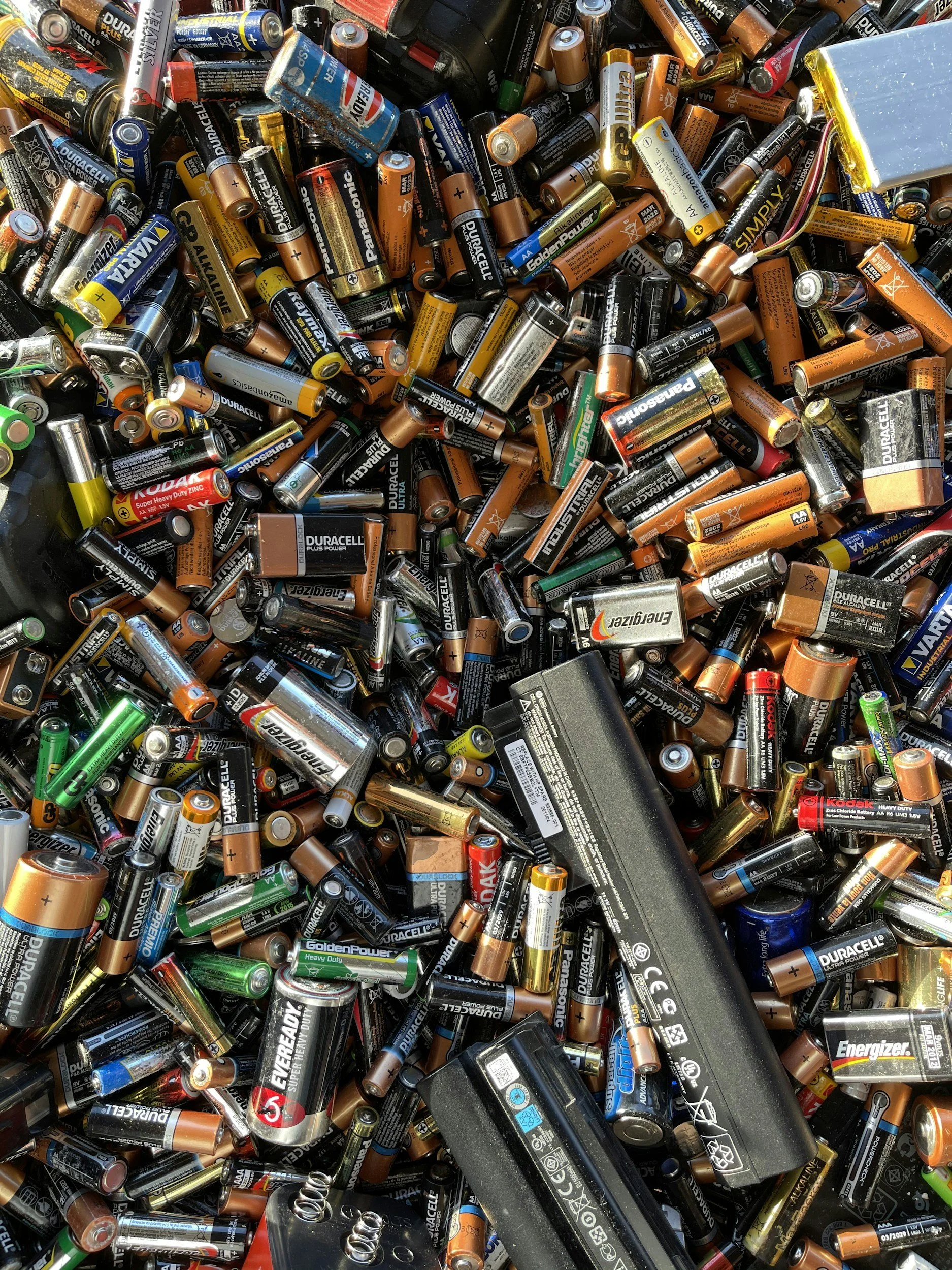
Power, Batteries and Infrastructure
Includes: UPS systems, lithium-ion batteries, power distribution units, and backup systems, related infrastructure equipment
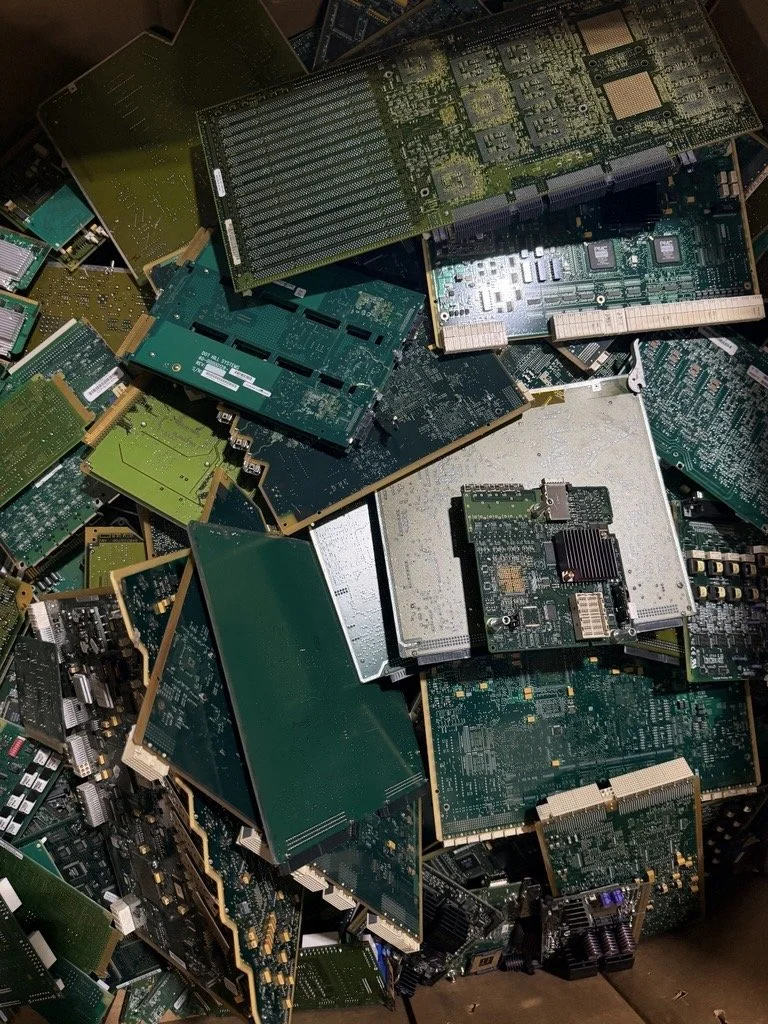
Components & Electronics Recycling
Circuit boards, processors, hard drives, cables, and mixed electronic scrap
Don’t see your equipment listed? We still encourage you to reach out. Our team handles a broad range of technology assets beyond the examples above.

Global e-waste is projected to reach 74 million metric tons by 2030. Improper disposal can lead to data breaches, environmental pollution, and regulatory fines. Responsible IT asset management reduces environmental impact and supports corporate sustainability goals.
Why It Matters
Environmental Impact: Improper e-waste disposal releases toxic materials, increases landfill waste, and accelerates resource depletion and carbon emissions.
Data Security Risks: Retired Equipment often still contains sensitive data if not properly sanitized.
Regulatory Compliance: Businesses must meet increasing requirements for data protection
Sustainability Goals: Responsible IT asset management supports ESG initiatives and corporate responsibility efforts.
A smarter Approach to IT Lifecycle Management
ThinkTLS helps organizations take control of their IT lifecycle management strategy, from decommissioning to final disposition. Our process ensures that every asset is tracked, secured, and handled in the most sustainable way possible.
Take action today: Ensure that your IT assets are not just discarded, but handled responsibly from decommissioning to recycling. Contact ThinkTLS to learn how your organization can reduce it’s e-waste footprint
Our Impact
ThinkTLS is driving measurable change in IT asset disposition (ITAD) and sustainable technology lifecycle management. From just over 250,000 pounds of e-waste recycled in 2023 to 1.4 million in 2024 and nearly 3 million in 2025, we continue to scale our impact and reduce e-waste sent to landfill. Through responsible electronics recycling services and secure IT equipment disposal, we help organizations meet their ESG and corporate sustainability goals. Our growing carbon offset programs reaching 6.7 million pounds in 2025, further support environmental accountability. By expanding technology reuse programs and extending equipment lifecycles, we promote a circular economy while maximizing asset value. This momentum positions ThinkTLS as a trusted leader in sustainable IT solutions and data-driven environmental impact.