
Why Damaged IT Equipment Still Holds Significant Value
Most companies assume that visible damage equals no value. In reality, a large percentage of returned enterprise IT equipment has cosmetic damage only, not functional failure.
Servers and networking gear are designed to operate in demanding environments, so external wear rarely reflects internal performance. Many devices are retired due to refresh cycles, not because they stopped working. On the flip side, a clean-looking unit doesn’t guarantee functional components. Judging equipment solely on appearance leads to unnecessary e-waste and lost value.
Extending the life of technology keeps functional equipment in circulation and reduces what ends up in landfills.
Cosmetic damages include:
Scratches, dents, bent chassis
Broken faceplates or covers
Worn ports or labels
Functional Damage:
Power Failures
Board-level issues
Non-responsive components
Nokia Server before Repair:
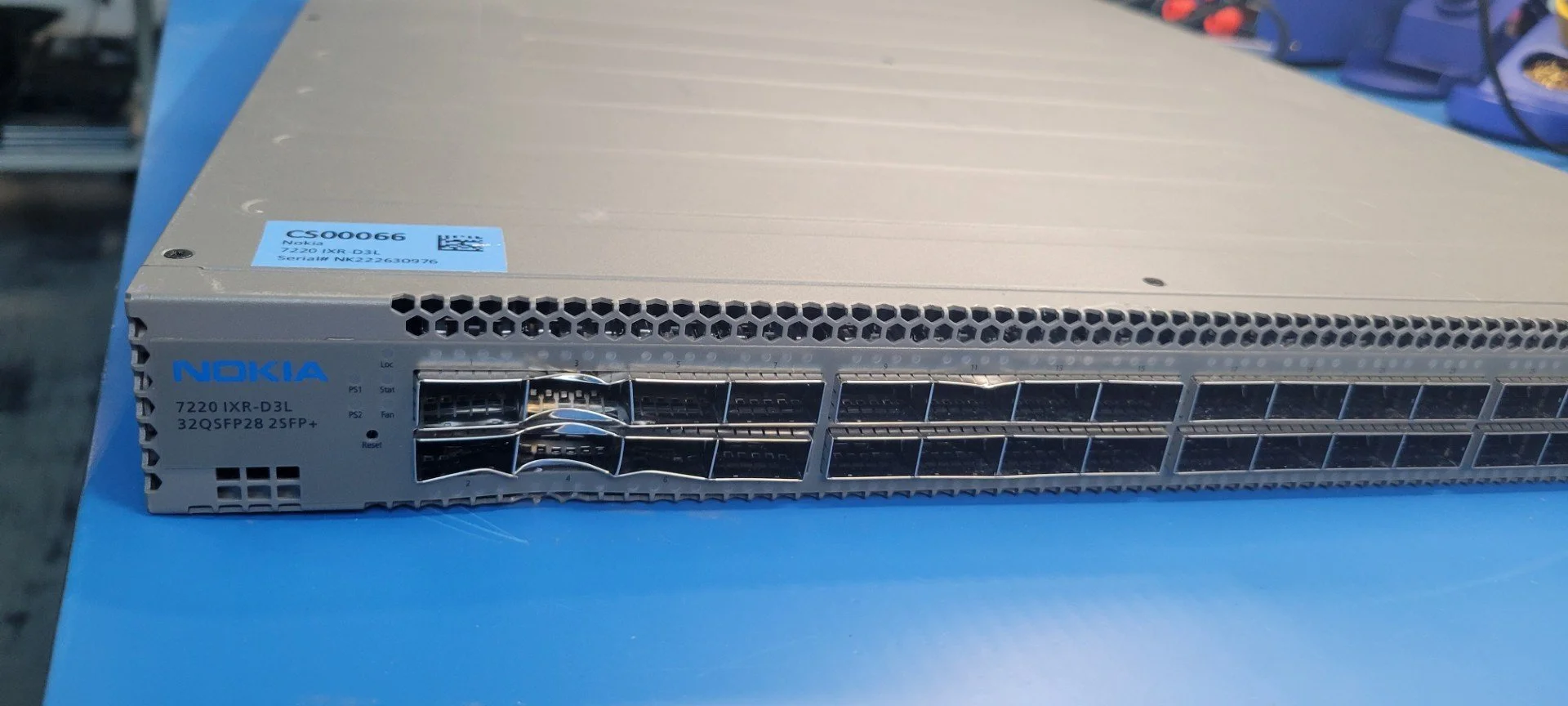
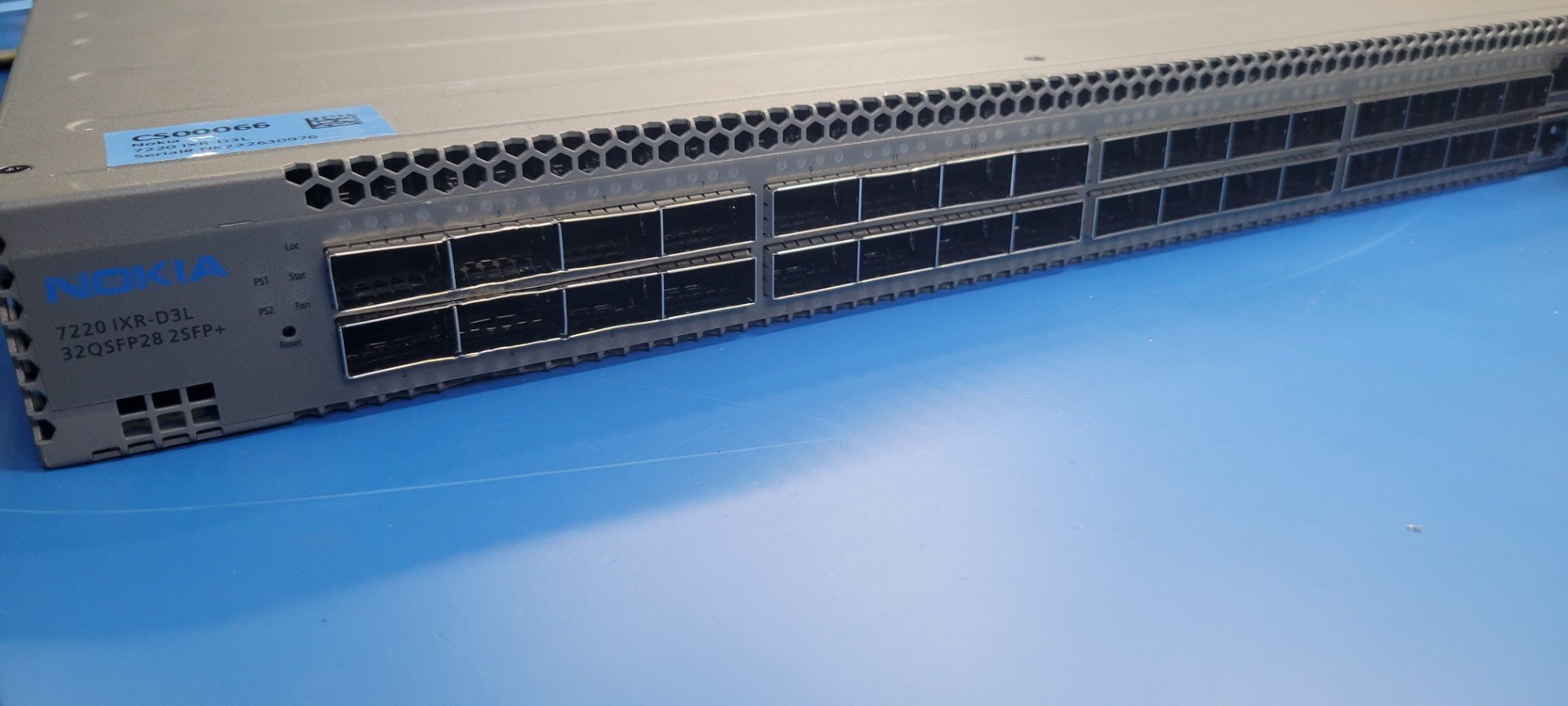
Nokia Server after Repair
Resale value is often significantly higher than scrap value, which is based purely on material weight. Proper testing is critical to ensure no working components are overlooked. Even partially functional equipment can retain value through:
Component Harvesting
Refurbishment
Secondary market demand
In many cases, minor repairs or part replacements can dramatically increase resale potential.
Value is recovered through process, not condition alone. Every asset should be evaluated beyond its physical appearance.
What a proper Evaluation Looks Like:
Power-On testing
Component-level diagnostics
Configuration checks
Part-level recovery opportunities
Technology evolves quickly, and with constant hardware refresh cycles, depreciation happens fast. Holding onto unused equipment can mean missing peak resale windows. Market demand fluctuates, and certain models can lose value rapidly.
It’s not uncommon for a unit with visible chassis damage to be written off as scrap, only to reveal fully functional memory, processors, or network cards after testing.
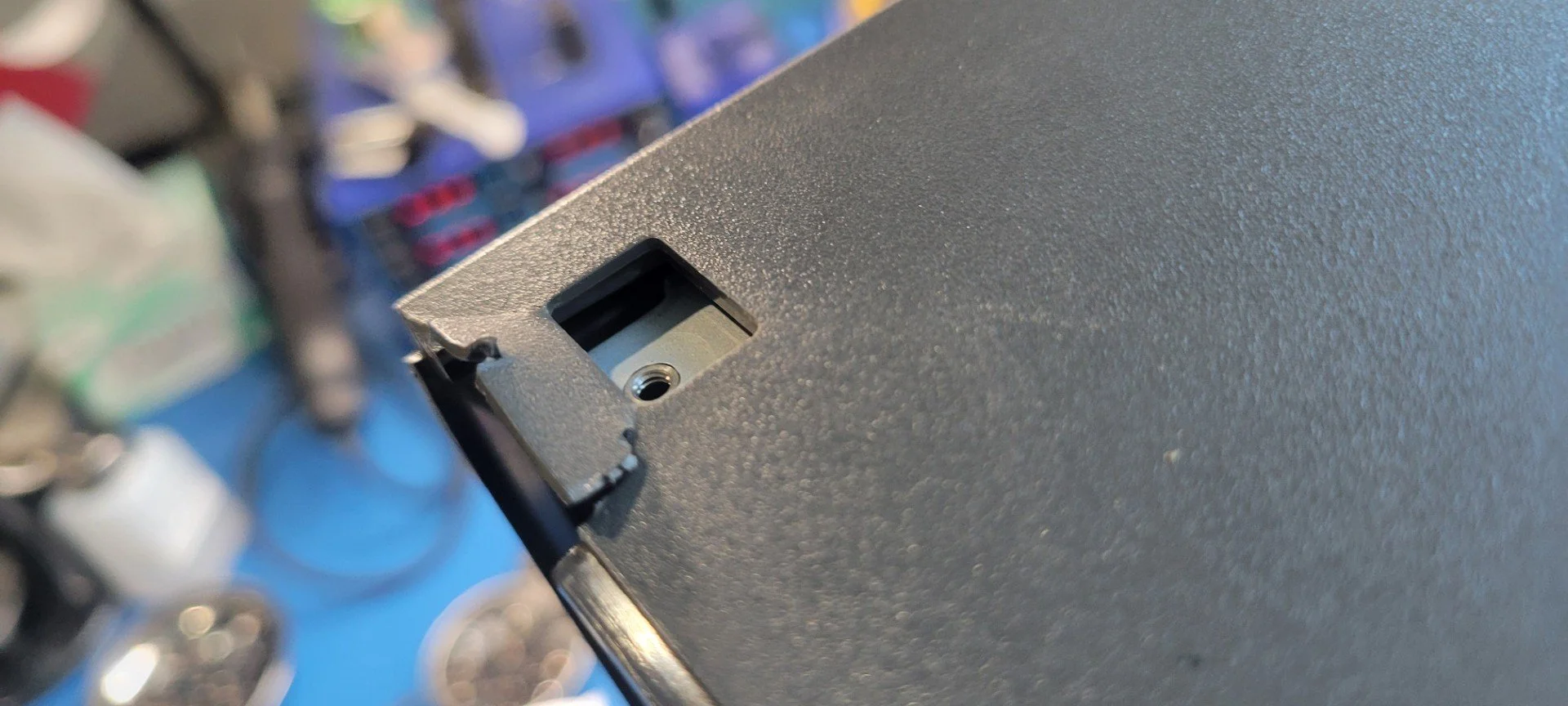
Chassis with significant cosmetic damage, Often marked for scrap
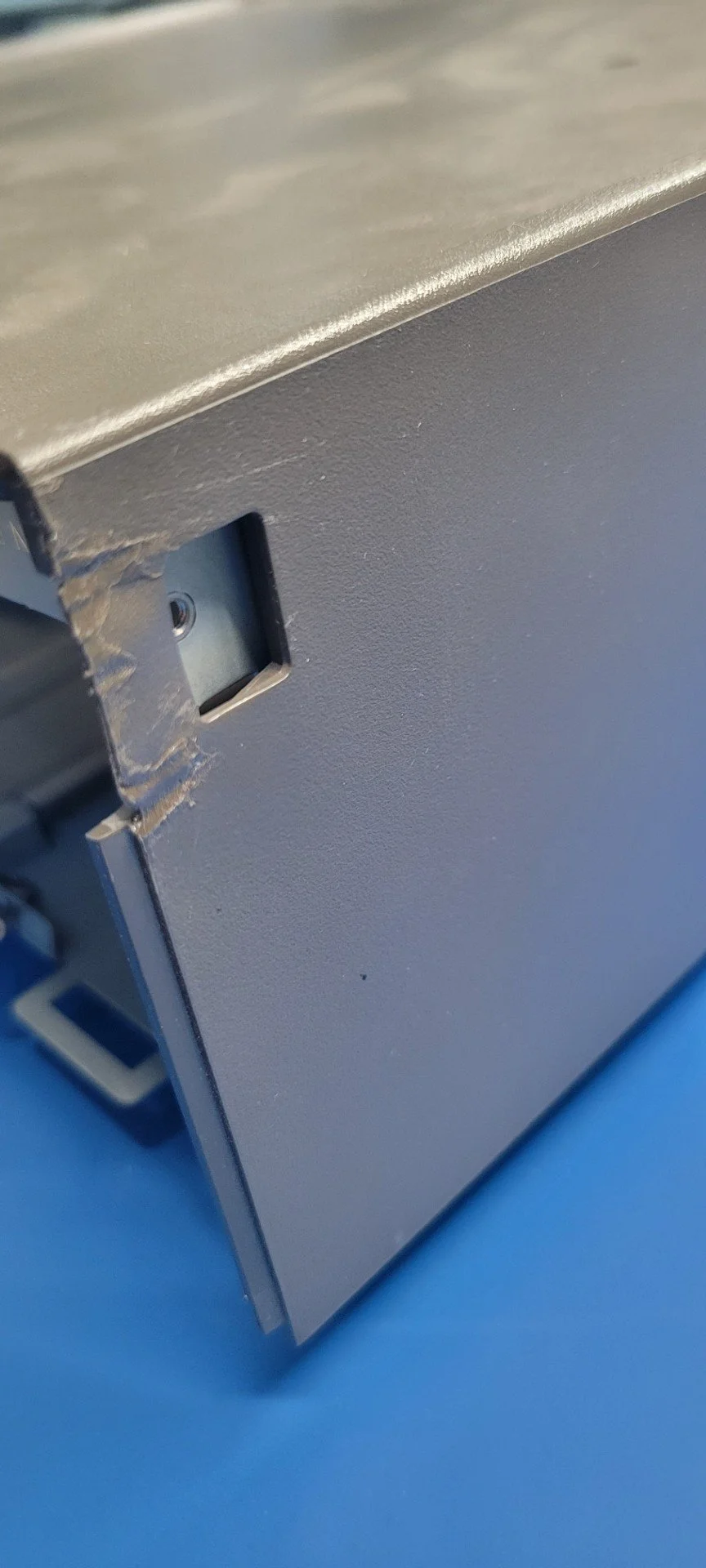
Cosmetic damage repaired, restoring structure and recoverable value
Where companies lose Value:
When equipment is categorized too quickly
Items are processed in bulk without testing
Decisions are based on appearance instead of performance
The longer equipment sits unused, the more its resale potential declines. What may hold value today could become obsolete in a matter of months.
At ThinkTLS, extending the life of IT equipment directly supports sustainability efforts. Reuse and refurbishment reduce the need for new manufacturing and raw material extraction, significantly lowering environmental impact.
Recycling plays a role, but it should be the last resort, not the first.